|
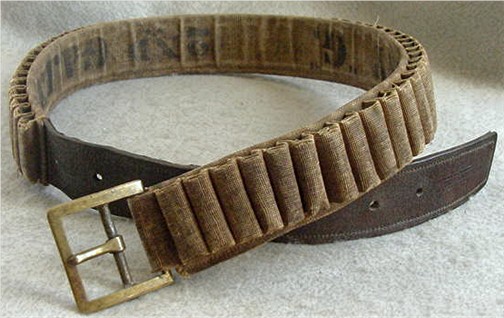
MODEL 1876 NARROW FIRST PATTERN PRAIRIE BELT –
VERY NICE SPECIMEN – FULL LENGTH:
The Model 1876 First
Pattern Prairie Cartridge Belt, also known to collectors
as the “Narrow” Prairie Belt, represents the first
Ordnance Department sanctioned departure from the long
standing practice of carrying ammunition in leather
cartridge boxes and the transition to the looped
cartridge belts which the army would wear on campaign
for the next 27 years.
These First Pattern Prairie
Belts have never been common, especially in the original
full length configuration with no modifications, so this
is a notable offering. While exhibiting evidence of
being issued, this scarce narrow First Pattern Model
1876 Prairie Belt presents in very nice condition.
Like so many other pieces of equipment, the First
Pattern Prairie Belt was developed and issued to meet
one specific goal – that of efficiently carrying a
sufficient number of cartridges into the field in such a
manner that would protect the soft copper cartridges
from being deformed or fouled with the green waxy
verdigris which occurred when the cartridges came in
prolonged direct contact with leather. It was a
cartridge belt – period. No provision was made for this
belt to carry any of the other belt mounted
accoutrements - holsters, cartridge pouches, sabre, or
for the infantry, the ubiquitous bayonet. The Ordnance
Department fully expected the soldiers to continue to
wear their leather sabre and waist belts to support all
of their other appendages and the Prairie Belt was to be
worn in addition to the leather belts. Certainly a
positive step in the right direction, this theory turned
out to be a bit short sighted as it completely ignored
the soldiers’ preferences and ingenuities demonstrated
with the soldier-made “Fair Weather Christian” leather
cartridge belts which dated from the 1860’s. That being
said, the army now had a regulation looped cartridge
belt which would provide a standard platform which the
determined soldiers would then apply various
modifications to meet their need to carry all the other
equipment and accoutrements. This First Pattern Prairie
Belt is an excellent “as issued” representative example
which marked a significant point in the story of Indian
Wars accoutrements.
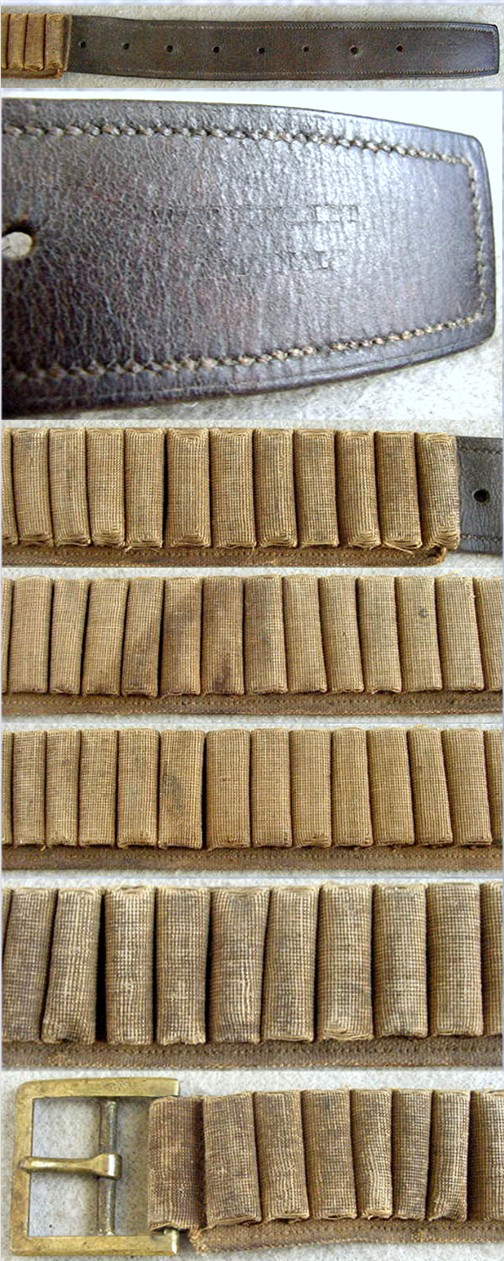
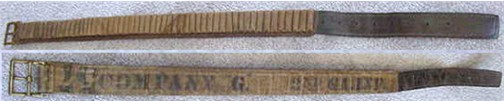
The combined length of the body and tongue is the full
original length of 44 ¾”. The billet on this belt
notably retains its full original length of 13”. These
belts were provided in two lengths, 38” and 44 ¾”, and
these longer belts are considerably scarcer, especially
with the full length billet, as they were unnecessarily
long. Many, if not most, of these belts were cut back
by shortening the billet - a common modification the
small waisted soldiers found necessary.
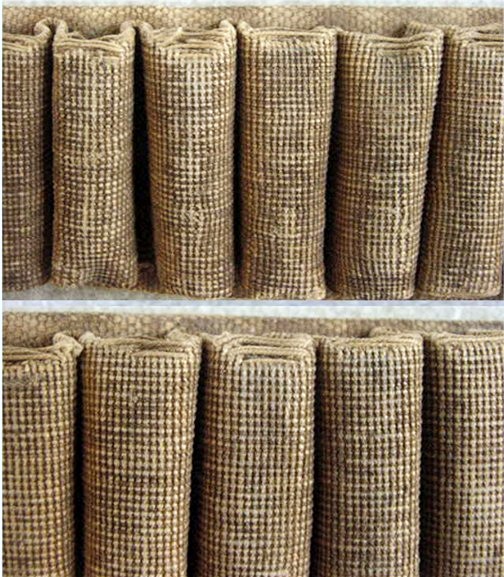
All 54 of the original
cartridge loops are present and intact, and are in very
good condition showing no collapse of the varnished
loops and only minor fraying limited to the lower edge
of the loops – a common characteristic of these belts
which saw any use at all.
The body of the belt is
very solid with no damage to exterior or interior
surfaces of the canvas, and the seam along the bottom of
the belt is fully intact. The billet is overall very
smooth with a shiny surface with no crazing or loss of
finish due to flaking. The billet is legibly stamped
“WATERVLIET ARSENAL” and with the inspector’s name “A.R.
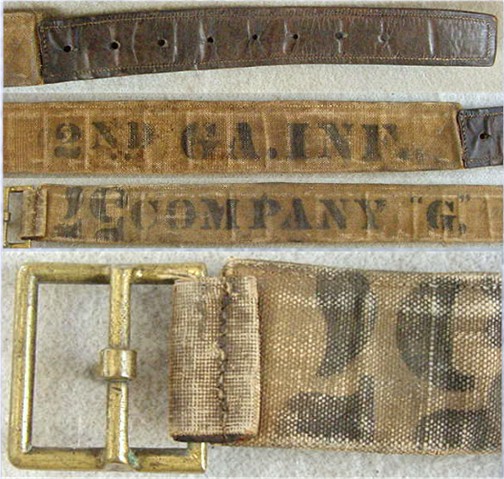
SMITH”. The original buckle is present. The inside
surface of the belt is stenciled “57 COMPANY “G” 2ND
GA. INF”.
This is a particularly nice
example of the scarce Model 1876 First Pattern Prairie
Belt which has survived in its original configuration
and would be difficult to upgrade.
(0543) $1450
|